Systems Designed for Business Buildings
Commercial Roofing in Spanish Fort for businesses managing flat roof deterioration and drainage problems
Flat commercial roofs develop ponding issues where water sits in low spots for days after rainfall, creating conditions that accelerate membrane breakdown and eventually allow leaks into occupied business space. Commercial roof installation by Armour Roof & Dek corrects drainage slopes during replacement, installs membrane systems designed for decades of UV exposure, and incorporates waterproofing layers that protect inventory and equipment below. The work prevents business interruption from ceiling leaks that damage merchandise or force temporary closures while emergency repairs are completed.
Services include new commercial roof installation for construction projects, complete replacement when existing systems fail inspection or reach the end of warranty periods, ongoing repairs that address localized damage without full tear-off, and preventative maintenance contracts that extend roof life through regular attention. Each approach fits different building conditions and budget requirements.
Request a building assessment to identify current roof performance issues and determine which intervention level provides the best cost-to-benefit ratio for your property.
Why Commercial Roof Systems Differ from Residential
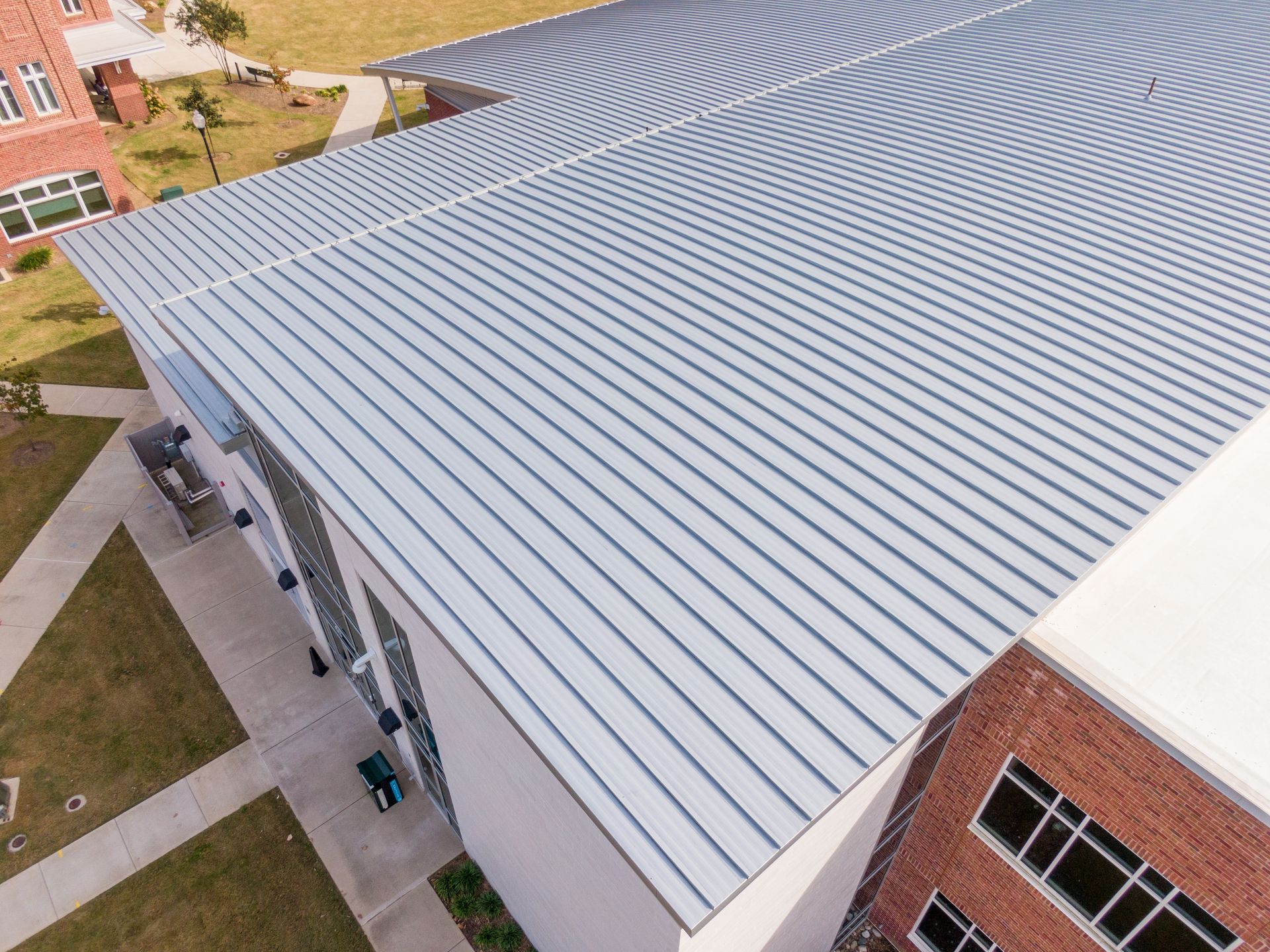
Commercial installations use membrane materials like TPO, EPDM, or modified bitumen that bond to flat or low-slope roof decks, creating continuous waterproof surfaces without the overlapping shingle pattern used on sloped residential roofs. The installation process includes mechanical fastening or full adhesion of membranes, heat-welding seams to create watertight joints, and building up drainage pathways that direct water to scuppers or internal drains. Proper slope design ensures water moves off the roof within forty-eight hours, preventing the standing water that degrades membranes and adds structural load.
After commercial roofing work finishes, building occupants notice that ceiling tiles stay dry during rain, HVAC units on the roof sit on properly flashed curbs without water pooling around bases, and roof drains flow freely without overflow during heavy storms. The building maintains consistent interior conditions without moisture intrusion that damages drywall or creates mold conditions in drop ceilings. Preventative maintenance keeps small issues like loose fasteners or separated seams from becoming membrane failures that require emergency intervention.
Commercial roofing includes membrane installation, flashing of all penetrations and edges, and integration with existing drainage systems. It does not include structural reinforcement for equipment loads or modifications to building parapets, which require engineering analysis separate from roofing scope.
Questions Before Starting Your Project
Business owners evaluating roofing options need practical information about disruption, longevity, and system selection.
What determines whether a commercial roof needs replacement or can be repaired?
If more than thirty percent of the membrane shows damage, or if the underlying insulation has become saturated from long-term leaks, replacement typically provides better value than extensive patching across multiple areas.
How do preventative maintenance programs extend commercial roof life?
Scheduled inspections identify minor issues like loose fasteners or small punctures before they allow water entry, and routine drain cleaning prevents overflow conditions that flood roof surfaces and accelerate material breakdown.
What happens during commercial roof installation that affects business operations?
Most work occurs on the roof itself with minimal interior disruption, but noise from tear-off and fastening equipment may require scheduling around customer-facing hours for retail businesses or during off-peak periods for restaurants.
How does Spanish Fort's climate affect commercial membrane selection?
High heat and UV intensity favor light-colored reflective membranes like TPO that reduce cooling costs, while frequent rain requires fully adhered systems rather than mechanically attached membranes that can allow wind-driven water infiltration at fastener points.
What waterproofing methods work best for commercial buildings with multiple roof penetrations?
Liquid-applied waterproofing systems conform to complex geometries around HVAC curbs, pipe penetrations, and expansion joints more effectively than sheet membranes, which require extensive cutting and fitting.
Armour Roof & Dek works with business owners to schedule commercial roofing projects that minimize operational disruption while addressing current performance problems. Arrange a building evaluation to discuss system options and project timing that fits your business calendar and budget cycle.