Exterior Cladding That Withstands Coastal Weather
Siding Installation & Replacement in Spanish Fort for properties needing weather-resistant exterior protection
High humidity, salt air, and tropical storm exposure require siding materials and installation methods that resist moisture intrusion, wind uplift, and ultraviolet degradation. Residential and commercial properties in Spanish Fort need exterior cladding that performs reliably in these conditions. Armour Roof & Dek installs new siding and replaces aging or damaged exterior cladding using materials selected for coastal climate durability.
Siding installation involves wall preparation that includes moisture barrier application, flashing around openings to prevent water intrusion, and fastening techniques that allow material expansion without buckling. Replacement becomes necessary when existing siding shows widespread moisture damage, cracking from thermal cycling, or structural failure that compromises the building envelope.
Request a detailed estimate based on your current exterior condition and material preferences.
What Proper Siding Installation Accomplishes
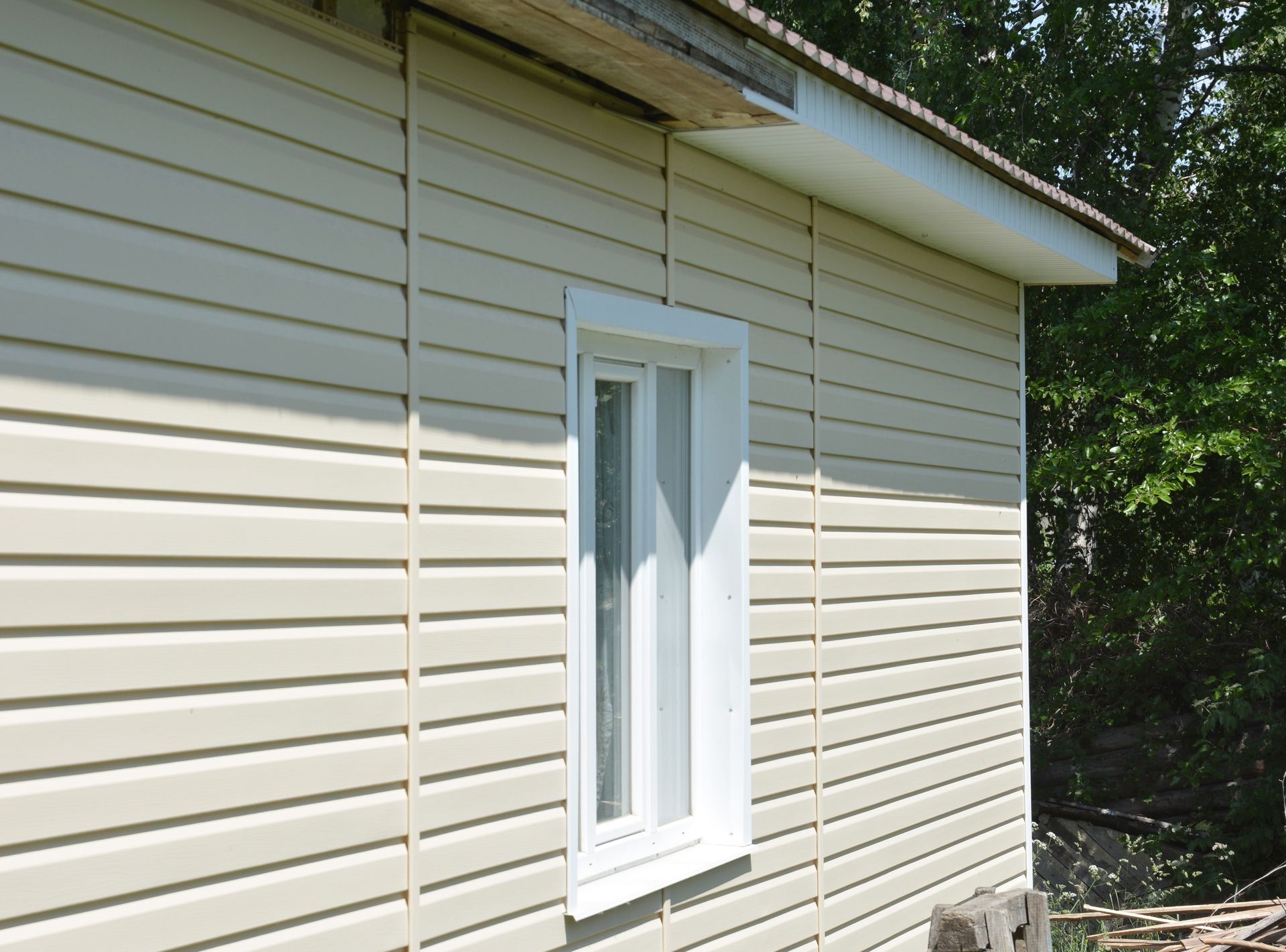
Installing weather-resistant siding requires housewrap or felt paper application to create a secondary moisture barrier, proper J-channel and trim installation around windows and doors, and fastener placement that secures panels without restricting thermal movement. Starter strips establish level baselines, and each course overlaps correctly to shed water down the wall surface rather than allowing wind-driven rain to penetrate horizontal joints.
After installation, you notice exterior walls that shed water during storms without staining or streaking, temperature stability inside the building improving as gaps and air leaks are eliminated, and resistance to wind noise during high-wind events. Material selection affects maintenance requirements, with fiber cement and vinyl siding requiring less frequent painting or sealing than wood products in humid coastal environments.
Siding replacement projects often reveal underlying moisture damage to sheathing or framing that must be addressed before new cladding is installed. Insulated siding options add thermal resistance to exterior walls, though proper installation technique matters more than material thickness for moisture control and long-term performance.
What Property Owners Usually Ask
Clients frequently inquire about material durability in coastal climates, project timelines, and what installation details affect long-term siding performance and maintenance requirements.
What siding materials resist moisture damage in high-humidity areas?
Fiber cement and vinyl siding tolerate constant humidity without rotting or warping, while wood siding requires regular sealing and paint maintenance to prevent moisture absorption that leads to decay in Spanish Fort's coastal climate.
How is wind resistance built into siding installation?
Proper fastener type and spacing, along with secure attachment to wall studs rather than sheathing alone, prevent wind uplift during tropical storms and hurricanes common in coastal Alabama.
When does existing siding require replacement rather than repair?
Widespread moisture damage visible as soft spots or rot, multiple cracked panels from impact or age, or failed paint that exposes bare material across large areas indicate replacement provides better value than patching individual sections.
What preparation happens before new siding is installed?
Wall inspection identifies sheathing damage, moisture barriers are applied or repaired, and flashing is installed around all penetrations to prevent water intrusion behind the new cladding.
How does siding choice affect energy costs?
Insulated siding products and proper installation that eliminates air gaps reduce heat transfer through exterior walls, lowering cooling costs during the extended summer season typical in this region.
Armour Roof & Dek provides siding installation designed for the specific weather challenges facing coastal properties. Schedule a consultation to review material options and installation approaches for your building.